Services
Gutter guard installation: types, costs, and what they really do
Gutter guards can reduce how often gutters fill with leaves, but they do not make gutters maintenance-free. EaveWise helps you find a licensed, insured local gutter pro who can explain the options and install the right type for your home.
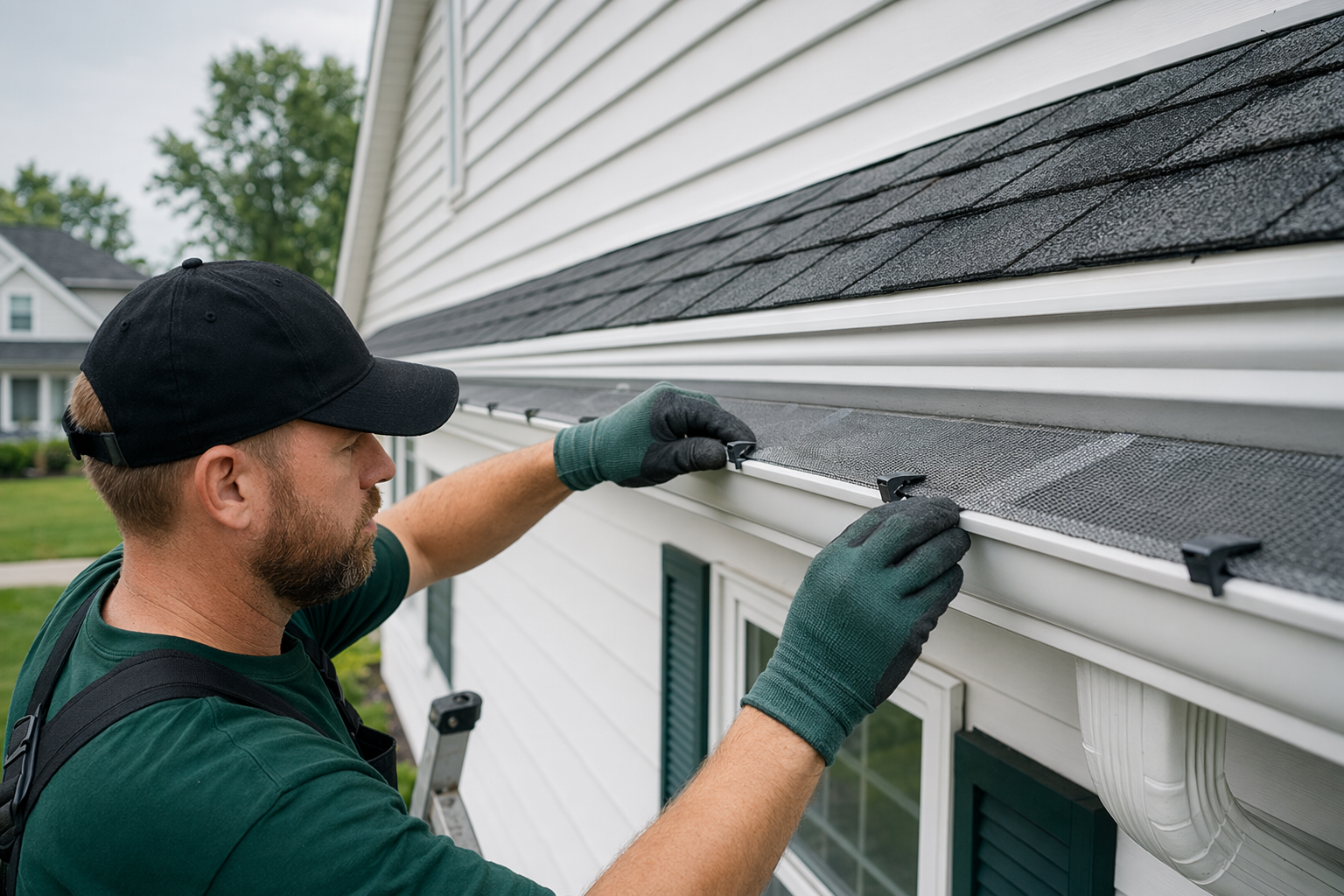
What gutter guards do, in plain English
Gutter guards sit on or inside your gutters to help block leaves, twigs, seed pods, and other debris. The goal is simple: keep water moving through the gutter and downspout more often, so you need less cleaning.
They can be helpful if your home has a lot of trees nearby, but they are not a forever fix. Dirt, shingle grit, pine needles, and small debris can still build up over time. Most homes still need some checkups and occasional cleaning.
If you are comparing options, the safest first step is to check the gutters from the ground and then get matched with a local pro for an in-person look. Ladders and roofs are genuinely dangerous, so it is best to leave anything off the ground to a licensed, insured professional.

Common gutter guard types and how they differ
There are a few common styles, and each one has trade-offs. The best choice depends on your roof, trees, gutter shape, and how much upkeep you want to do later.
Mesh and micro-mesh guards use a fine screen to filter out debris. They tend to block smaller material better than basic screen guards, but they can cost more and may need more careful cleaning if fine debris sits on top.
Screen guards use a more open surface. They are usually simpler and often more affordable, but smaller debris can pass through more easily than with micro-mesh.
Foam and brush guards fit inside the gutter. They can be easy to install in some cases, but they may hold moisture or collect fine debris over time, which means they still need attention.
Reverse-curve guards guide water around a curved edge and let debris slide off. They can work well in the right setting, but they are usually more noticeable on the roofline and may not fit every home.
If you want a quick compare-and-contrast guide, see are gutter guards worth it?.
Typical costs and what affects them
Guard pricing varies by home size, guard type, roof layout, and how easy the gutters are to reach. In many U.S. markets, basic options may cost less per linear foot, while premium micro-mesh or reverse-curve systems usually cost more. Labor, removal of old materials, and repairs can also affect the total.
Homes with steep roofs, multiple stories, or complex gutter runs often cost more to work on because the job takes longer and can be harder to access. If your gutters are damaged, re-hanging or small repairs may be recommended before guards are installed.
For a broader look at typical home-service pricing, you can review our costs page. Remember: these are only general ranges, not quotes, and local prices vary by area.
When gutter guards make sense
Gutter guards may be a good fit if your home gets regular leaf buildup, you want to cut down on seasonal cleaning, or you have trouble finding time for routine maintenance. They can also be useful on hard-to-reach gutters, since they may reduce how often a pro needs to clean them.
They are not always the best answer. If your gutters already slope poorly, are loose, or drain to the wrong place, a guard will not fix those issues by itself. Sometimes a repair, re-hang, or downspout adjustment is the better first step.
A licensed gutter pro can look at the whole system and explain what is practical for your home. EaveWise can help you connect with a local gutter pro at no cost to you.
How EaveWise helps
EaveWise is a free matching service. We do not install guards ourselves, and we are not a gutter company. We help you find a licensed, insured local gutter pro who can handle gutter guard installation, gutter cleaning, repair, re-hanging, seamless gutter installation, and downspout work.
To get started, share your name, phone number, ZIP code, and a short description of what is going on. You can also include an email address or language preference if that helps us route your request.
We only collect contact and project details. We do not ask for financial account numbers, Social Security numbers, or immigration status.
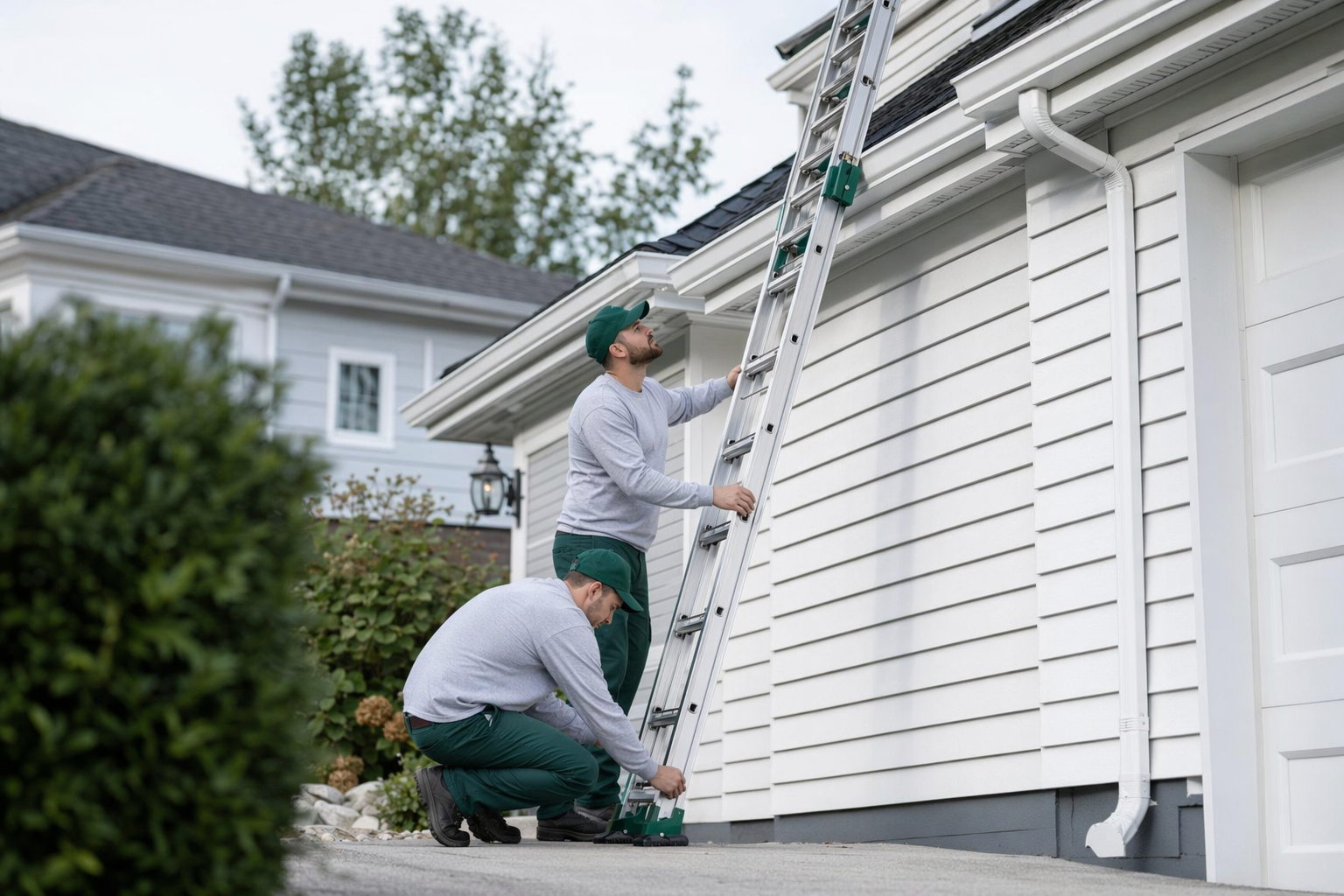
Gutter guards can help cut down on cleaning, but they still need care, and the right type depends on your home; EaveWise helps you find a licensed local pro for free.
Common questions
Do gutter guards mean I never have to clean my gutters again?
No. Gutter guards can reduce cleaning, but they do not eliminate it. Fine debris, roof grit, and buildup can still collect over time, so most homes still need periodic checks.
Which gutter guard type is best?
There is no single best type for every home. Mesh and micro-mesh often block smaller debris better, screen guards are simpler, foam and brush styles are more limited, and reverse-curve systems can work well in the right setup. A local pro can help match the type to your trees, roof, and gutters.
Can I install gutter guards myself?
Some products are sold for DIY use, but anything on a ladder or roof is risky. For most homeowners, it is safer to hire a licensed, insured pro to handle the work.
How much do gutter guards usually cost?
Costs vary widely by guard type, home size, and access. Basic options may be lower per linear foot, while premium systems usually cost more. For typical ranges and factors that affect price, see our [costs](/costs/) page.
Will gutter guards solve drainage problems?
Not by themselves. Guards help keep debris out, but they do not fix poor slope, loose gutters, or downspouts that need repair or rerouting. Those issues may need separate service.