Quick answers
Do gutter guards really work?
Gutter guards can reduce how often you clean, but they don’t make gutters “maintenance-free.” Here’s a plain, honest look at what they help with, what they still can’t stop, and when it makes sense to get a pro.
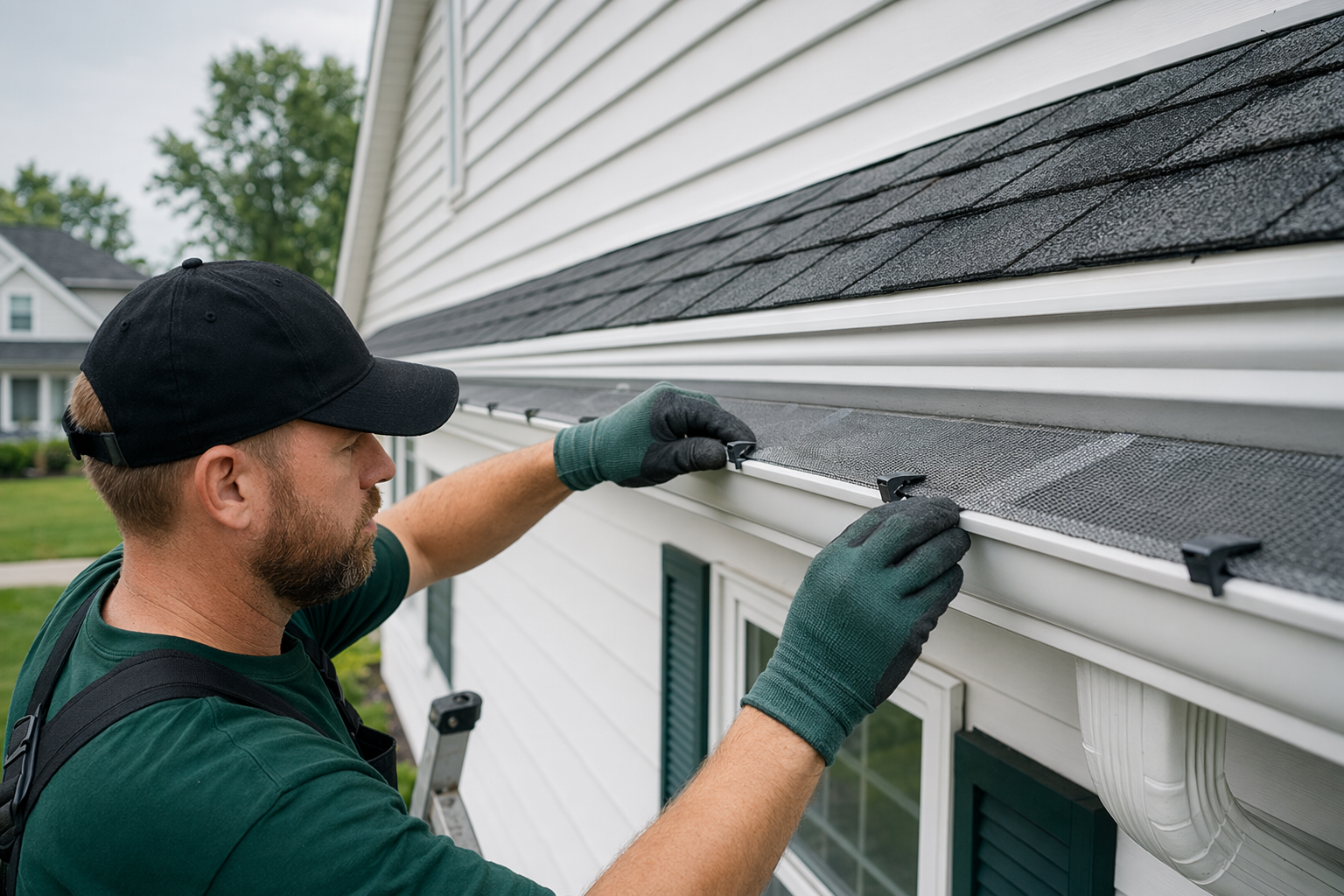
The quick answer: Do gutter guards really work?
Yes—most gutter guards work well at blocking some leaves and debris from getting into your gutters. For many homes, that means fewer cleanings and less overflow from clogged gutters.
But “work” depends on your guard type, your local tree and weather conditions, and how your gutters are set up (slopes, downspout locations, and drainage path). Even the best guards can still require occasional maintenance.
If you’re deciding what to do next, we can help you find and connect with a licensed, insured LOCAL gutter pro—at no cost—so you can compare options for your home. Start with get matched.

What gutter guards usually reduce (and why)
Gutter guards are designed to reduce debris that falls into the gutter channel. That can help with:
- Less buildup of leaves, seeds, and pine needles inside the gutter
- Slower clogging in many seasons
- Fewer visits to clean out standing junk
They also help your downspouts stay clearer for longer, because less debris makes it to the points where downspouts connect.
Still, rainfall carries tiny material too—fine dust, seeds, and small debris can find their way through or around openings. That’s why even guarded gutters may need periodic check-ups.
What gutter guards don’t do (common surprises)
Gutter guards can’t stop everything. Here are the most common reasons people are disappointed later:
First, guards don’t prevent roof wear or leaks on their own. If you have underlying issues—like damaged flashing, worn shingles, or poor gutter pitch—guards won’t fix that.
Second, debris that does make it past the guard can still build up on top of the system. Some guards trap leaves on the surface, which can still need removal.
Third, heavier storms and strong winds can move material in unexpected ways. In wet climates or places with lots of seeds/pollen, you may notice more frequent “rinse-through” clogging at downspouts.
If you want to understand what your current gutters can handle, a local pro can visually assess from the ground and talk through the right guard fit. We’ll help you get matched.
Types of gutter guards: trade-offs you should know
Not all gutter guards are the same. Each type blocks debris differently and affects cleaning differently.
- Mesh / screen (fine holes): Often good for keeping leaves out, but fine debris can still collect and the mesh can clog over time. You may need less frequent cleaning of the gutter channel, but the top surface may still gather material.
- Micro-mesh / finer mesh: Designed to block smaller particles better. Trade-off: it may require more careful maintenance if fine debris builds up.
- Foam / brush (fill-in style): Can reduce large debris, but these can collect moisture and debris and may need replacing. They may also be less consistent in performance depending on how the product fits your gutter shape.
- Reverse-curve (covers that “direct water inside”): Can guide water into the gutter while debris slides over the top. Trade-off: performance can depend on the right height and angle for your gutter system.
In general, higher “blocking” doesn’t always mean zero maintenance. The best choice is the one that matches your gutters, your roof overhang, and the type of debris you deal with most. For more guidance, see are-gutter-guards-worth-it.
How to decide if guards are worth it for your home
Gutter guards tend to make the most sense when you frequently deal with leaves or pine needles, and when you prefer reducing repeat cleanings. They can also be helpful if you want a simpler seasonal routine.
However, guards are not a shortcut around everything. You still may need:
- A periodic ground check for clogs, overflow spots, and downspout flow
- Occasional removal of surface debris when it accumulates
- Attention to drainage problems that guards can’t correct
New homeowners may also benefit from starting with basics: understand your gutter size, your downspout layout, and where water goes during storms. If you’re unsure what to look for, we can help you find a pro for an educational assessment—no pressure, no obligation to buy.
If you’re comparing budgets, check costs for typical ranges and what can affect price by area.
Safety and getting it right: hire a licensed, insured pro
Ladders and roofs are genuinely dangerous. Even for handy homeowners, it’s easy to fall or damage gutters and roofing. Guard installation often requires careful measuring and secure placement.
We recommend hiring a licensed, insured local gutter pro for guard installation and for any gutter work that involves off-the-ground work. A good pro can inspect from the ground when possible, then advise what needs attention.
If your gutter system already has issues (wrong slope, loose hangers, misaligned downspouts, or damaged sections), the “right guard” won’t help as much. That’s why a matchup with a local pro matters.
Get a free connection by sharing what’s going on—then we’ll help you get matched.

Gutter guards usually cut down cleaning, but they don’t eliminate it—how well they work depends on the guard type, your gutters, and your local debris and weather.
Common questions
Will gutter guards stop all clogs?
No. Most guards reduce the amount of debris that reaches the gutter, but some fine particles can still pass through or accumulate on top. Many homes need occasional maintenance even with guards.
Do I still need to clean gutters if I install guards?
Usually, you need less cleaning, but not zero. Many homeowners do a seasonal check and may remove built-up debris on top or clear downspout flow when needed.
Which type of gutter guard is best: mesh, micro-mesh, foam, brush, or reverse-curve?
The “best” type depends on your debris type (leaves vs. pine needles vs. seeds), your gutter shape, and how much water flow you get. A local pro can recommend what’s most compatible for your setup.
Will gutter guards prevent water from overflowing during heavy rain?
Guards can help by keeping larger debris out, but heavy rain performance also depends on gutter size, pitch, and downspout capacity. If your drainage system is undersized, overflow can still happen.
How do I know if I should choose guards or just schedule cleaning?
If you’re cleaning frequently due to constant debris, guards may reduce effort. If your main problem is an underlying drainage issue or damaged gutters, starting with repairs first can help. We can connect you with a licensed, insured pro to assess options.